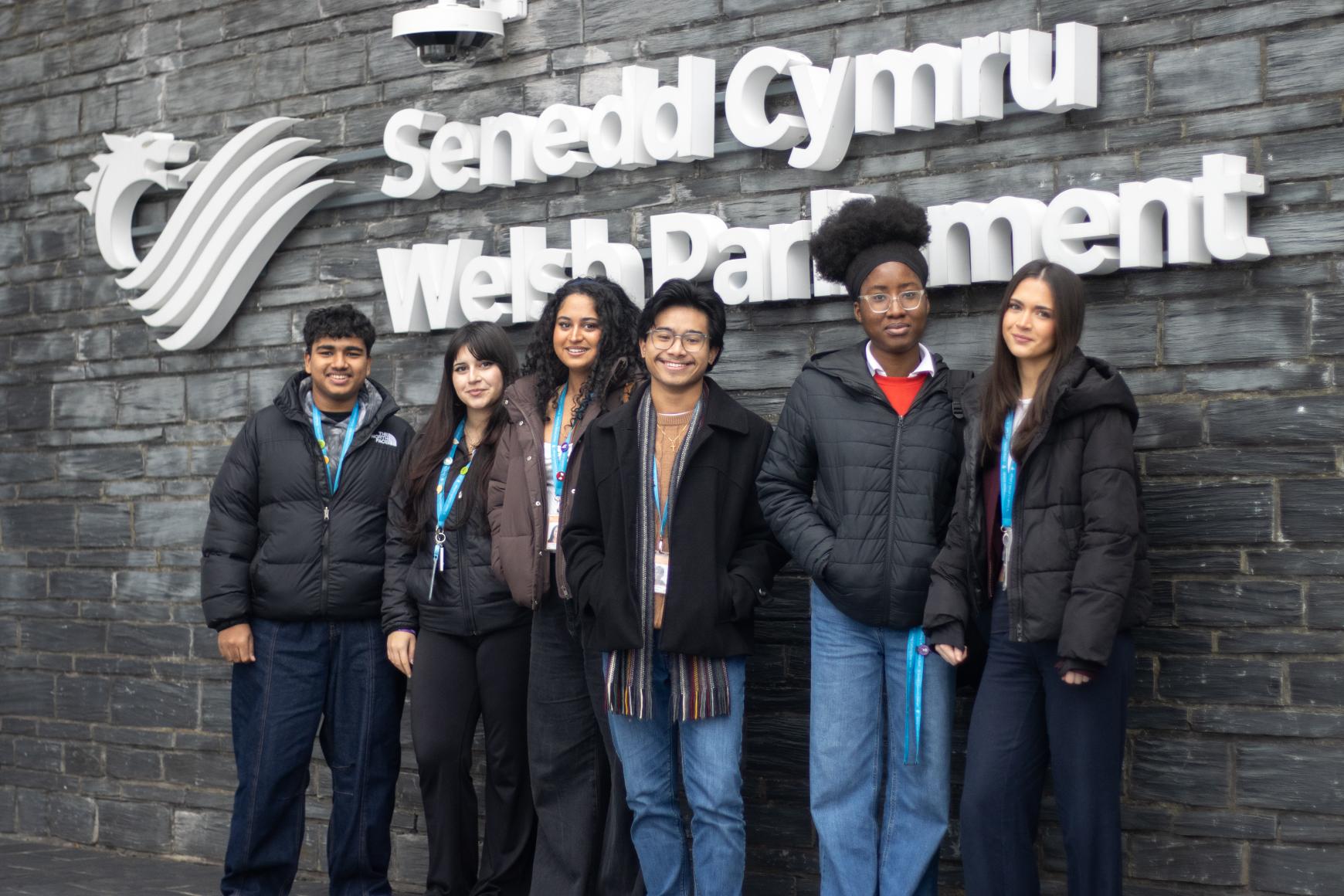


Members of our Student Council visited the Senedd this week to hear from survivors, campaigners, and charity leaders about the realities of violence against women and the work being done across Wales to tackle it.
The visit took place ahead of the International Day for the Elimination of Violence against Women on 25 November, an important date that calls on people around the world to challenge violence, support survivors and work towards a safer society for women and girls.
The students heard from Ruth Dodsworth OBE, a television presenter, journalist and domestic abuse survivor, alongside representatives from organisations supporting women affected by domestic abuse and homelessness.
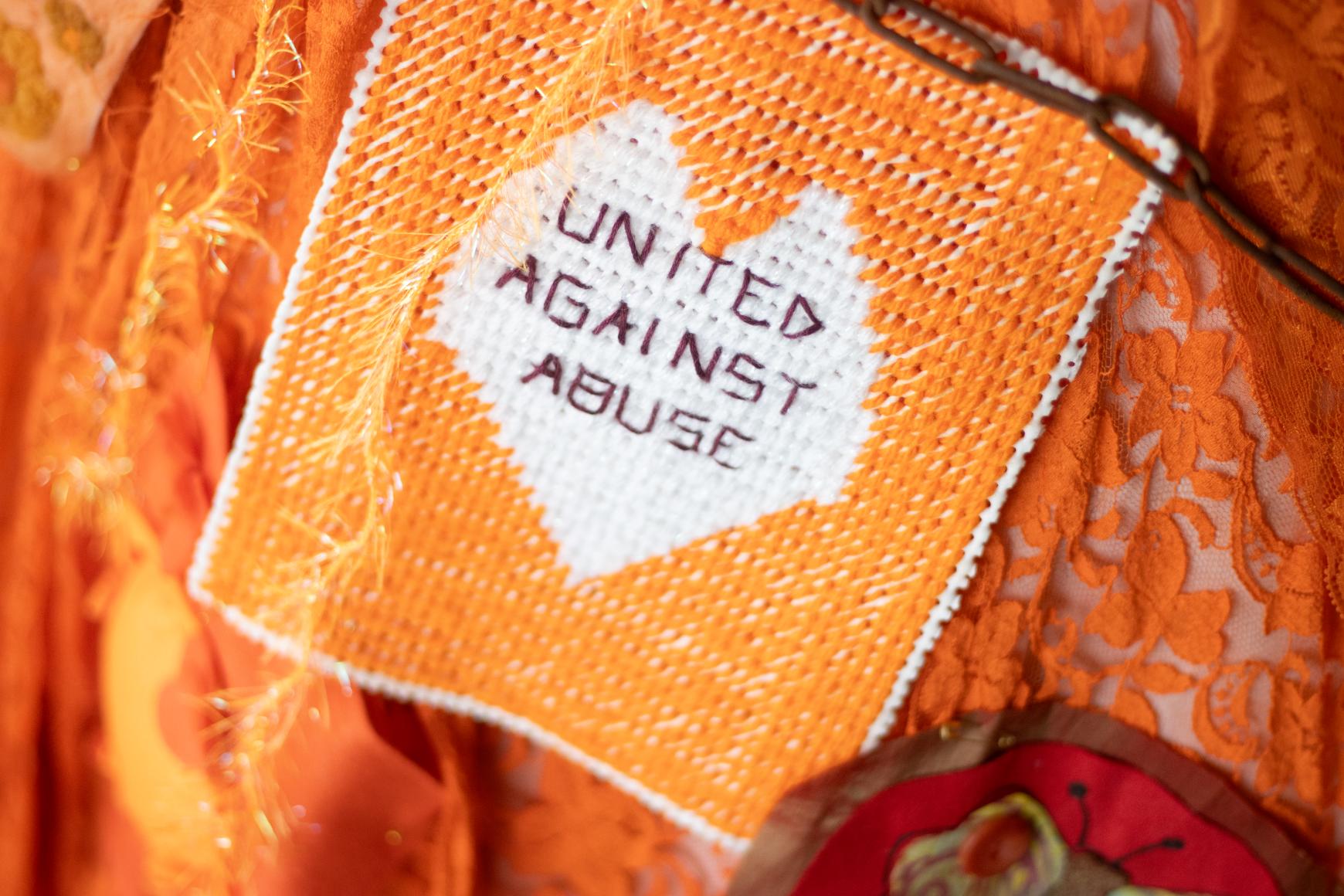
The discussion explored the challenges women face in Wales today, the barriers that can prevent survivors from accessing help, and the vital role of organisations that provide safety, support and a fresh start.
Ruth Dodsworth is well known for her work as a television presenter, but behind the scenes she experienced years of domestic abuse and coercive control at the hands of her former husband.
For almost 20 years, Ruth experienced controlling behaviour, isolation and physical violence. In 2019, she made the brave decision to seek help from the police after fearing for her life.
Since sharing her story publicly, Ruth has become a prominent campaigner, raising awareness of domestic abuse and coercive control and encouraging others to recognise the signs of abuse and seek support.
Her experience highlights an important reality: domestic abuse is not always visible, and it can affect people from all backgrounds. It is not always easy to recognise what is happening or to find a way out.
The National Federation of Women’s Institutes-Wales organised the event, bringing people and organisations together to raise awareness of gender-based violence and support action to end it.
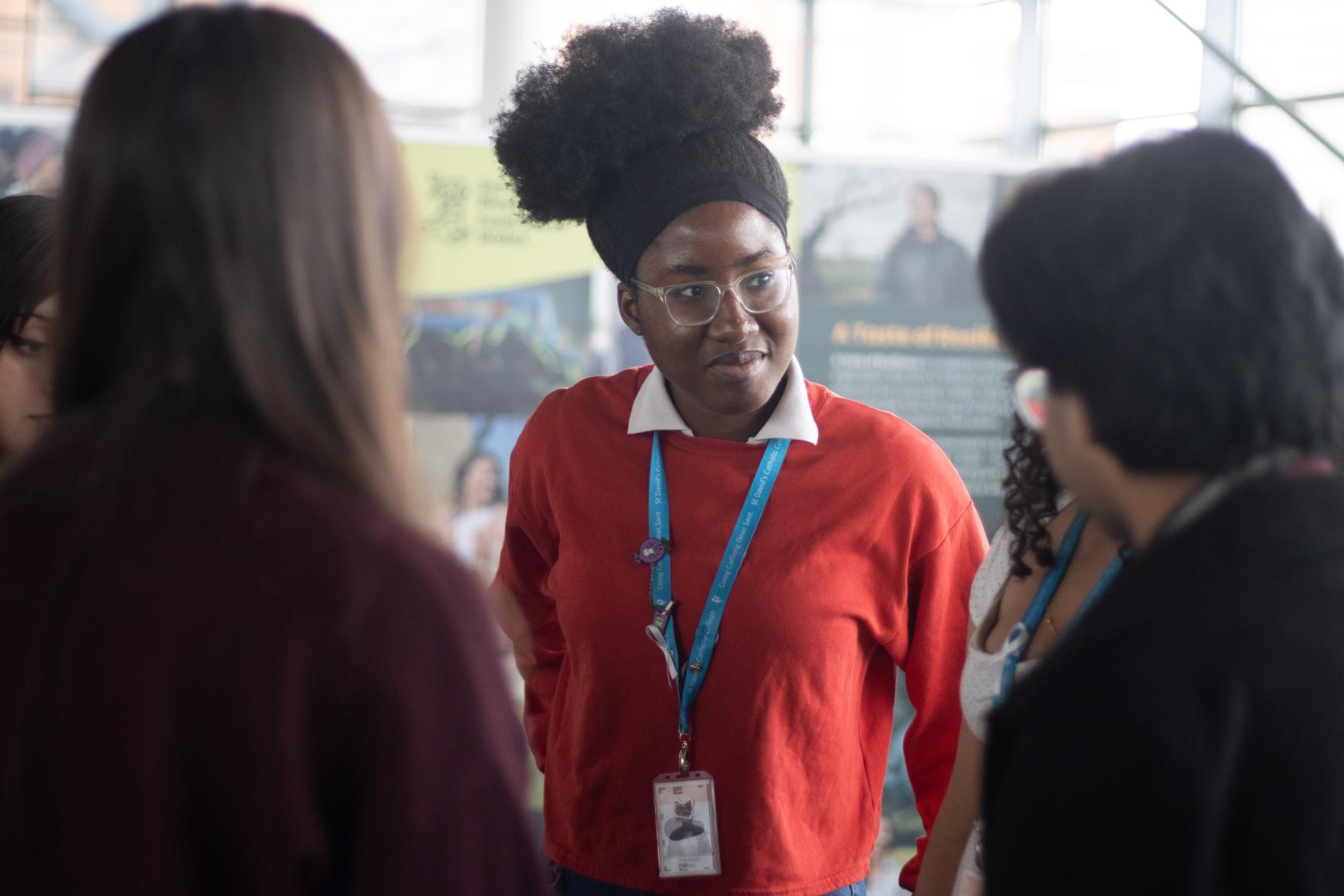
The Women’s Institute has a long history of campaigning on issues affecting women and communities. Its work in Wales includes bringing together policymakers, charities and campaigners to discuss the challenges facing women and identify ways to create change.
During the panel, they said they were ‘celebrating’ their 50th year, with deep sadness that it’s an issue they’ve been discussing and challenging for 50 years.
The panel included representatives from Llamau, a Welsh homelessness charity that supports young people and vulnerable women, including those escaping domestic abuse.
Llamau provides women-only housing and refuges, alongside specialist support to help women and children move away from abuse and rebuild their lives in safety. The charity also works to address the wider issues that can lead to homelessness, including trauma, poverty and mental health challenges.
During the discussion, the scale of demand for support was brought into sharp focus. Representatives spoke about receiving nearly 1800 calls in a single month, highlighting the enormous number of people seeking help and the pressure placed on services.

Behind every call is a person who may be experiencing fear, uncertainty or abuse and looking for a way to be safe. Organisations such as Llamau play a vital role in supporting women and children, ensuring they don’t have to face these situations alone.
Every year, people around the world mark the International Day for the Elimination of Violence against Women on 25 November. It launches the global 16 Days of Activism Against Gender-Based Violence, which runs until 10 December, Human Rights Day.
The campaign encourages people to speak out against violence, challenge harmful attitudes and support survivors. It also highlights the need for stronger protections, accessible support services and accountability for those who commit abuse.
For young people, these conversations are particularly important. The attitudes we develop, the relationships we build and the way we treat others all contribute to the culture around us.
Everyone has a role in challenging behaviour that causes harm, recognising the signs of abuse and helping to create relationships and communities built on respect.
The Live Fear Free Helpline offers free, confidential support 24 hours a day, seven days a week, for anyone experiencing domestic abuse or sexual violence in Wales.
Call 0808 80 10 800, or visit gov.wales/live-fear-free
In an emergency, call 999.