

Last term, St David’s College embraced international connections in a variety of ways, both on campus and beyond.
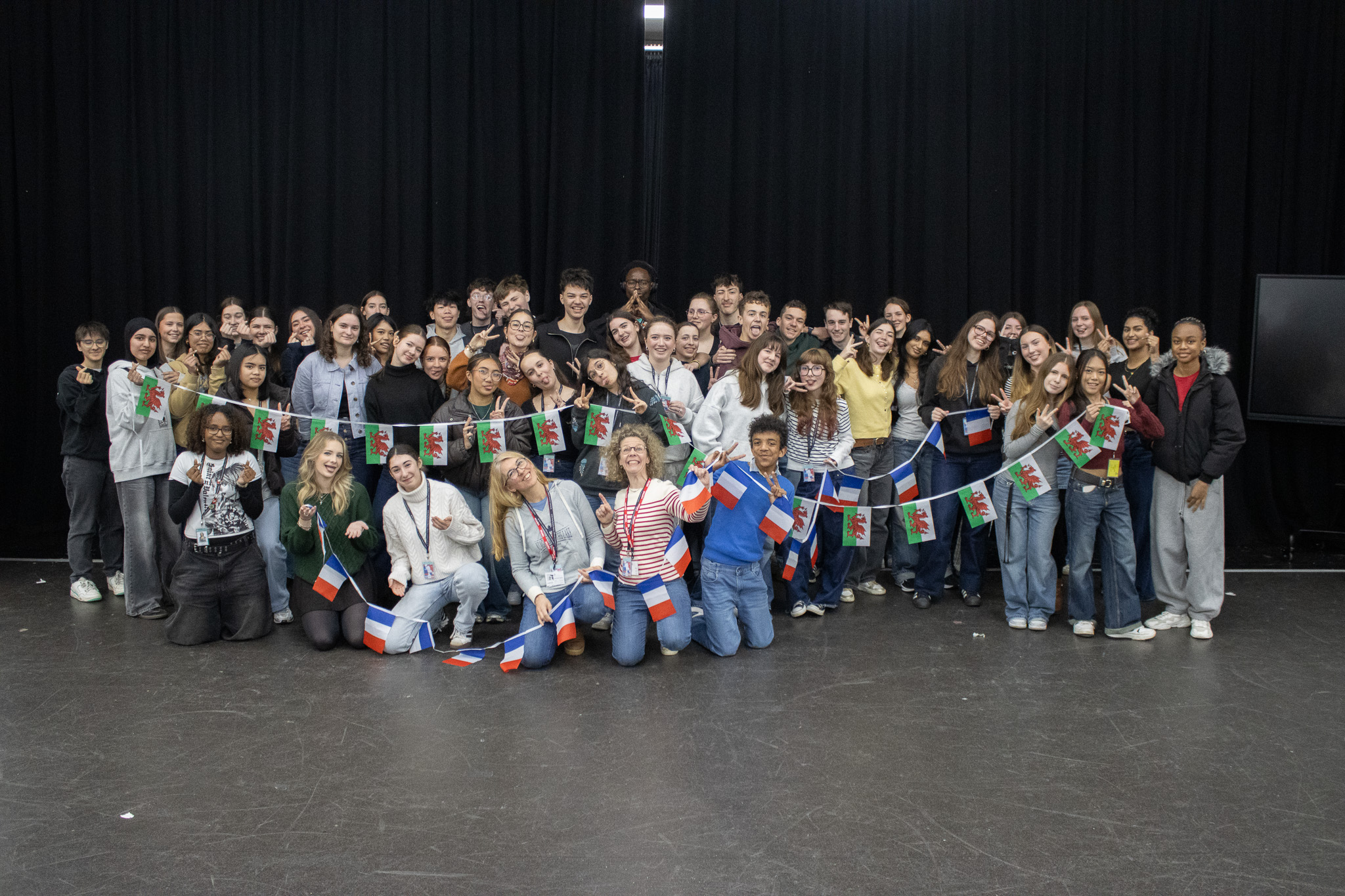
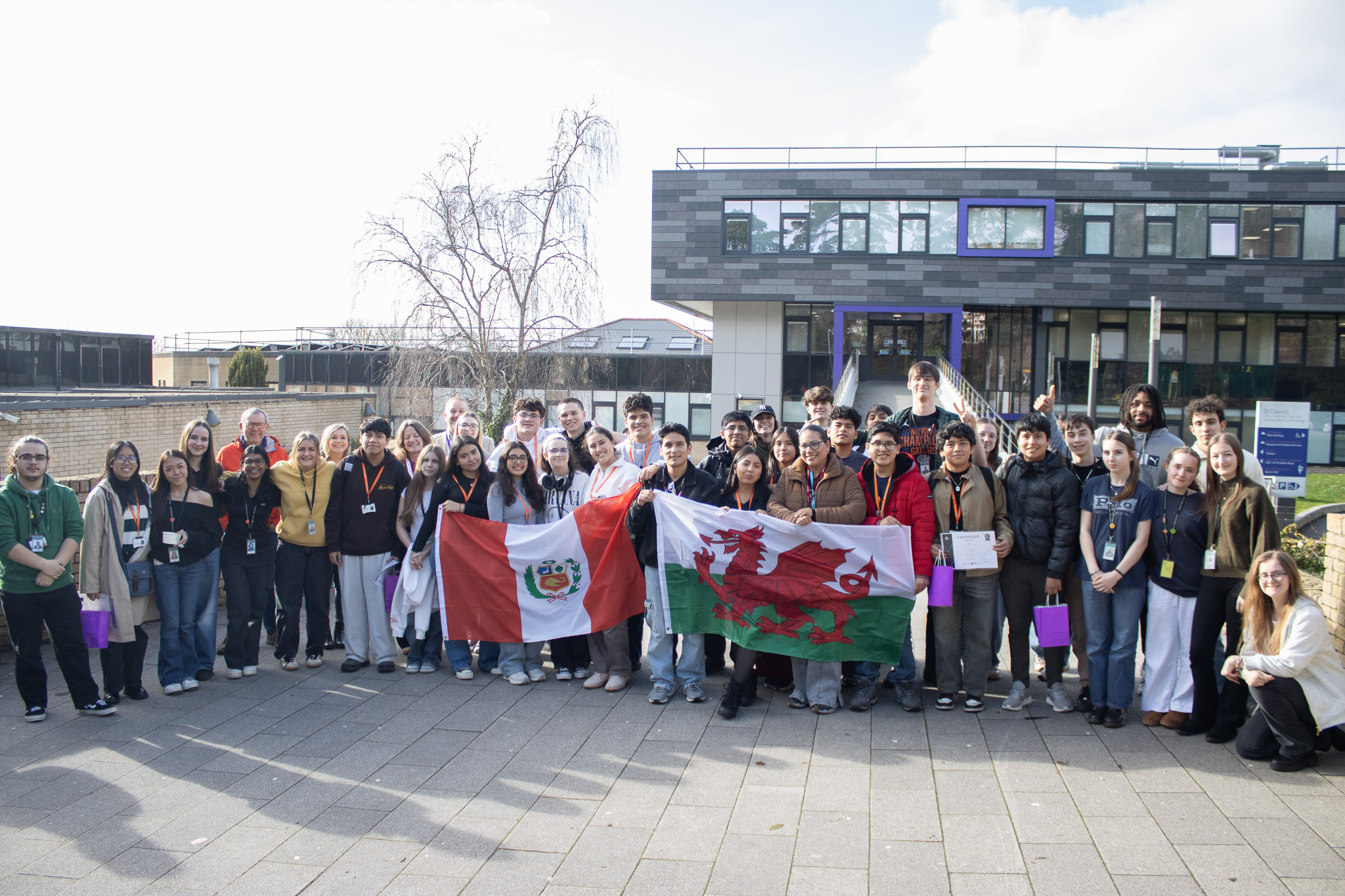
In addition to welcoming in students from France, Japan and Peru, some of our own learners made a once-in-a-lifetime trip to the other side of the world.
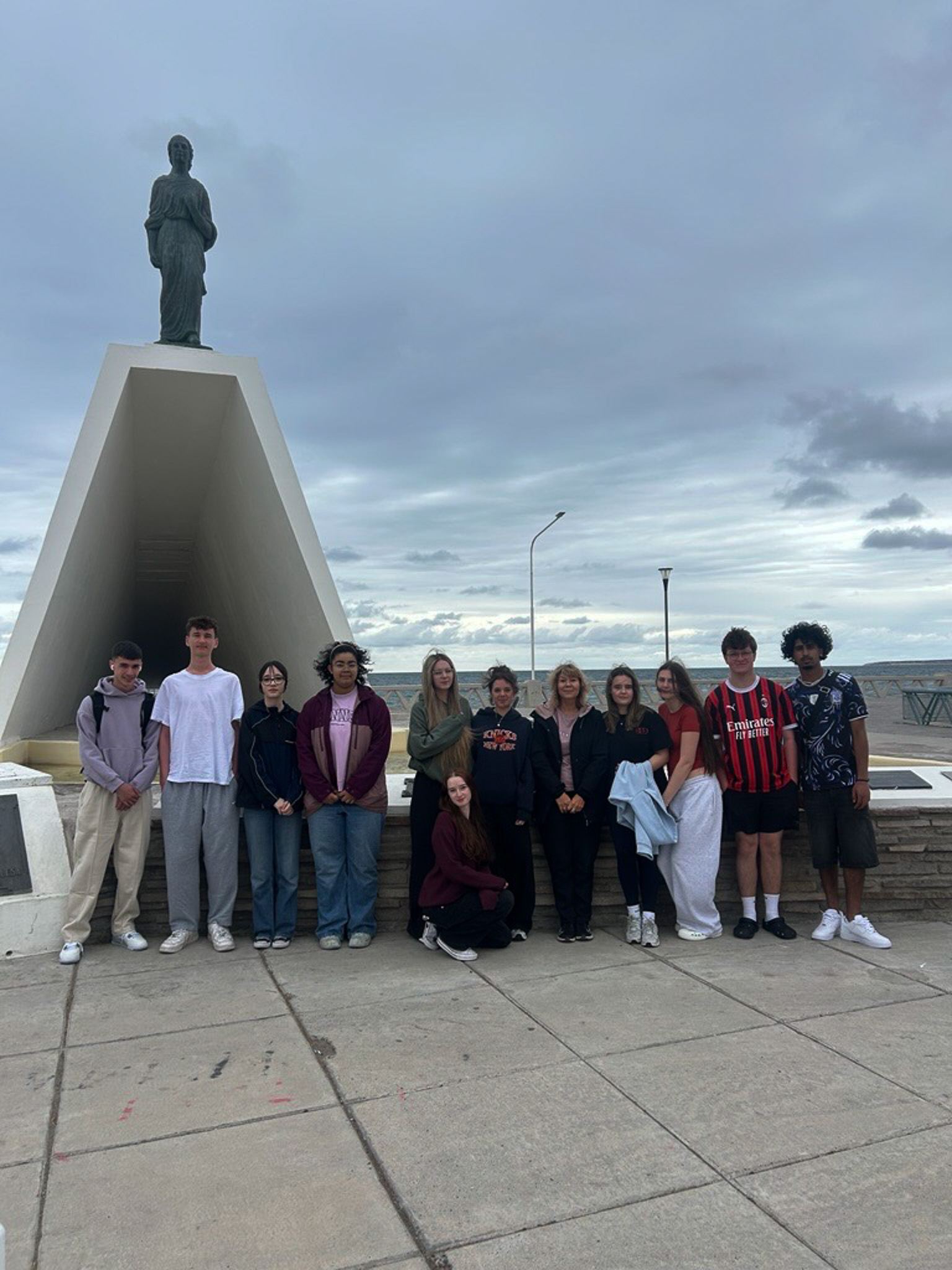
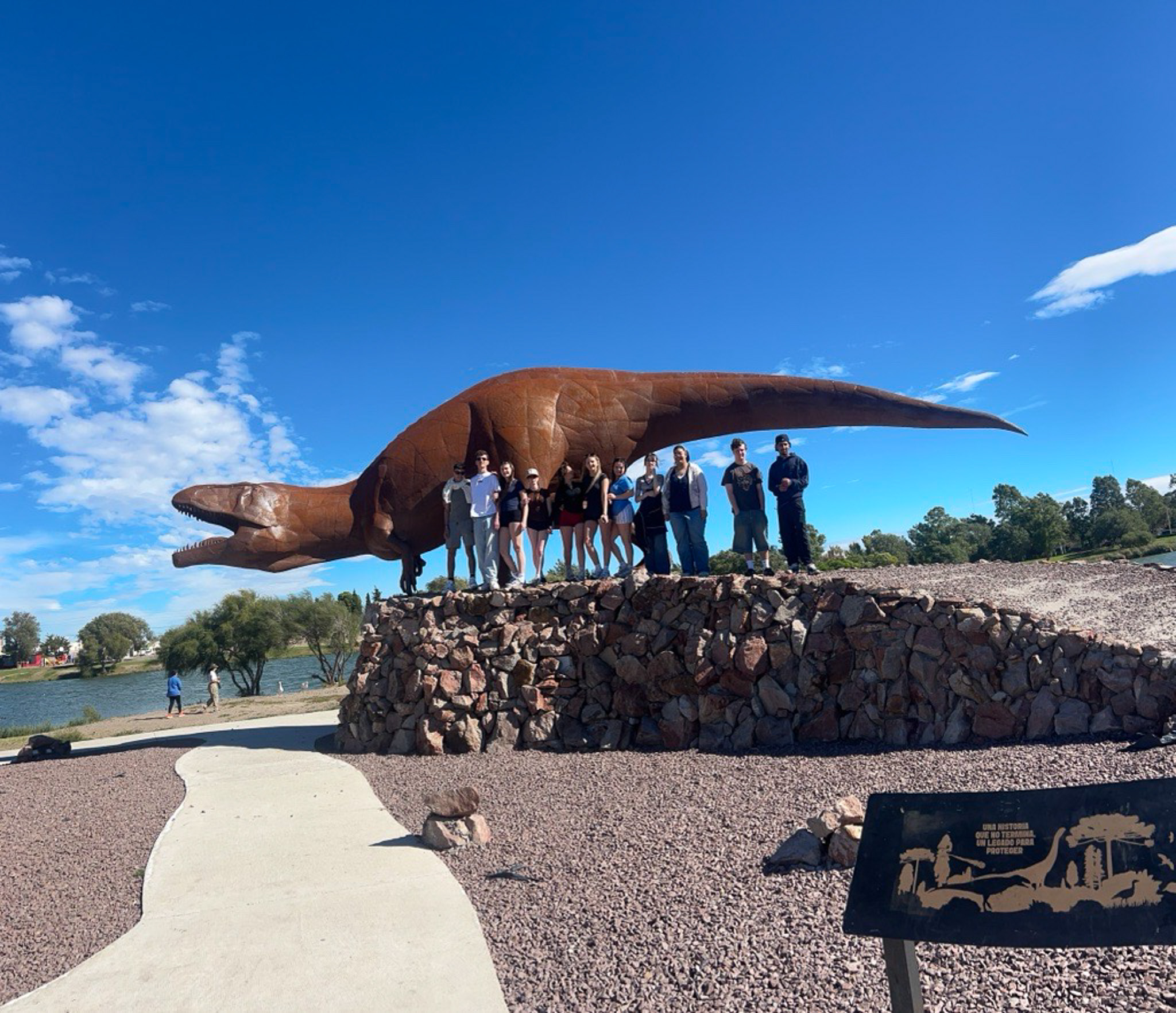
Before the Easter break, 11 of our students and two members of staff made the long trip to Patagonia, Argentina.
It was a trip that not only allowed students to enjoy themselves and see the wider world, but also to learn more about the Welsh community in Patagonia.
The trip began with the group visiting Puerto Madryn, where the ship Mimosa first arrived in July 1865.
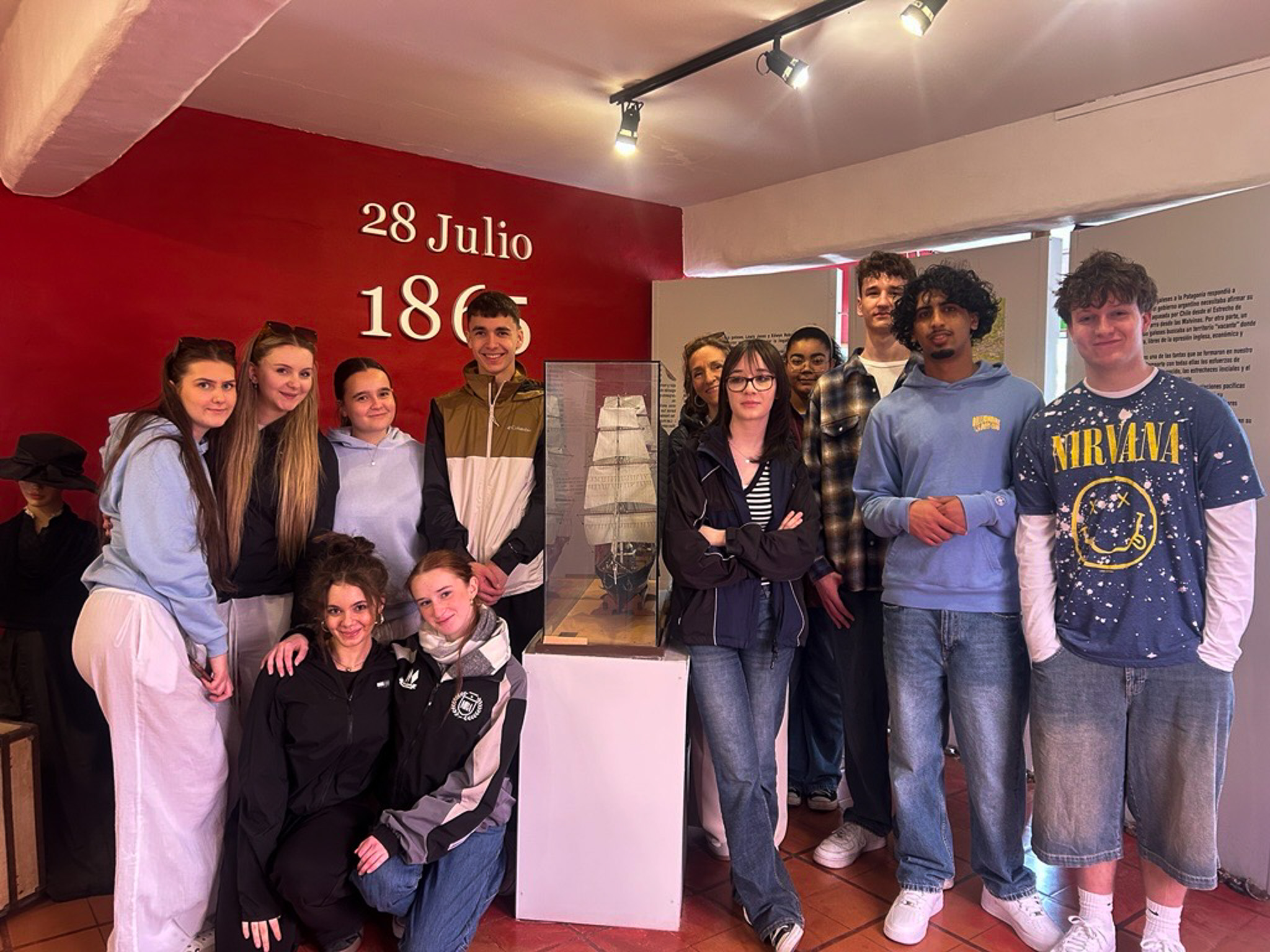
The ship carried 153 passengers alongside 18 crew, led by Captain George Pepperell, with the ambition of establishing a Welsh colony.
To learn more about the city’s history, our students visited the museum and Punta Cuevas—the historic site where the early settlers first lived.
After leaving Puerto Madryn, our intrepid adventurers moved on to Trelew and the surrounding area.
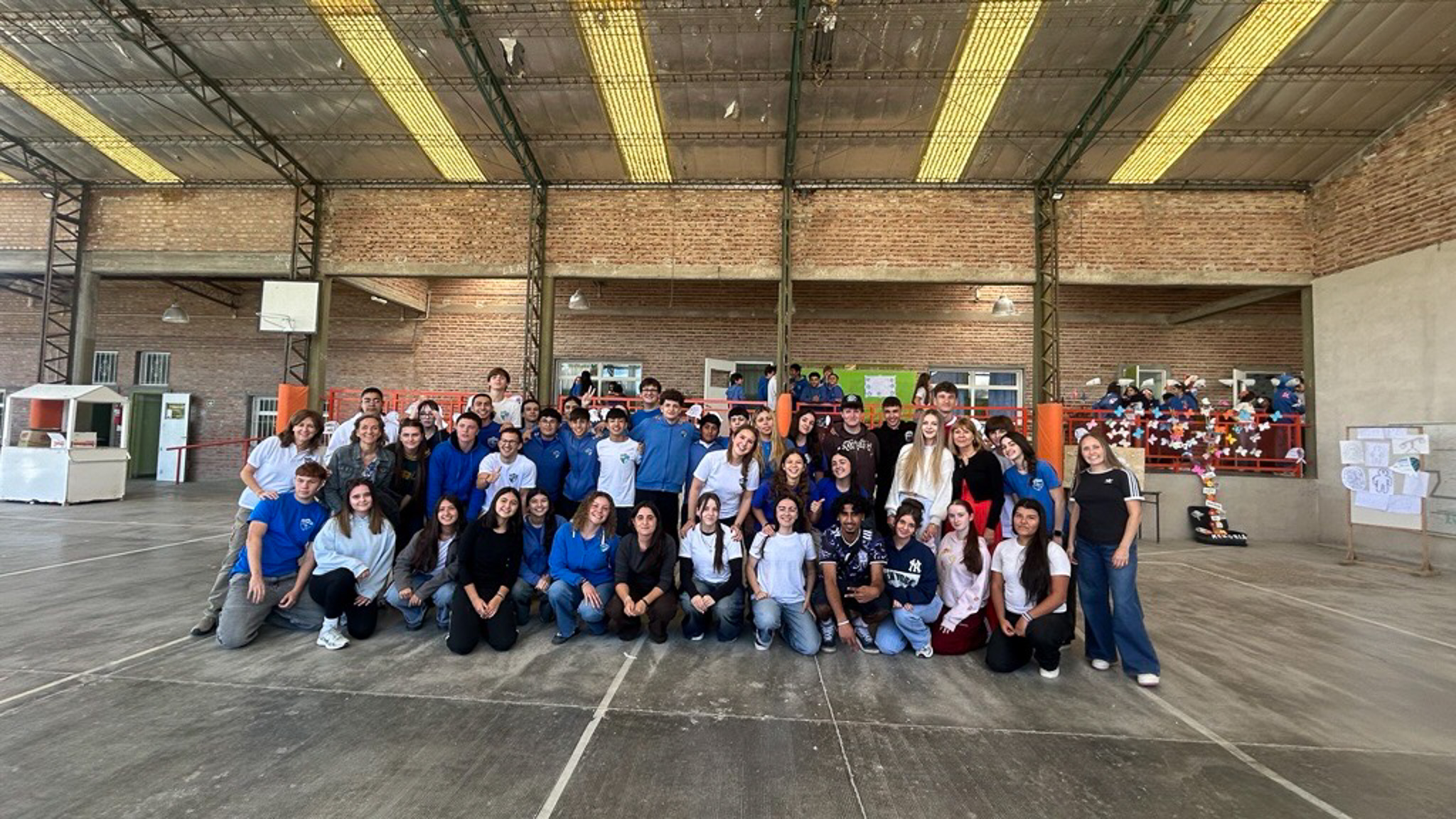
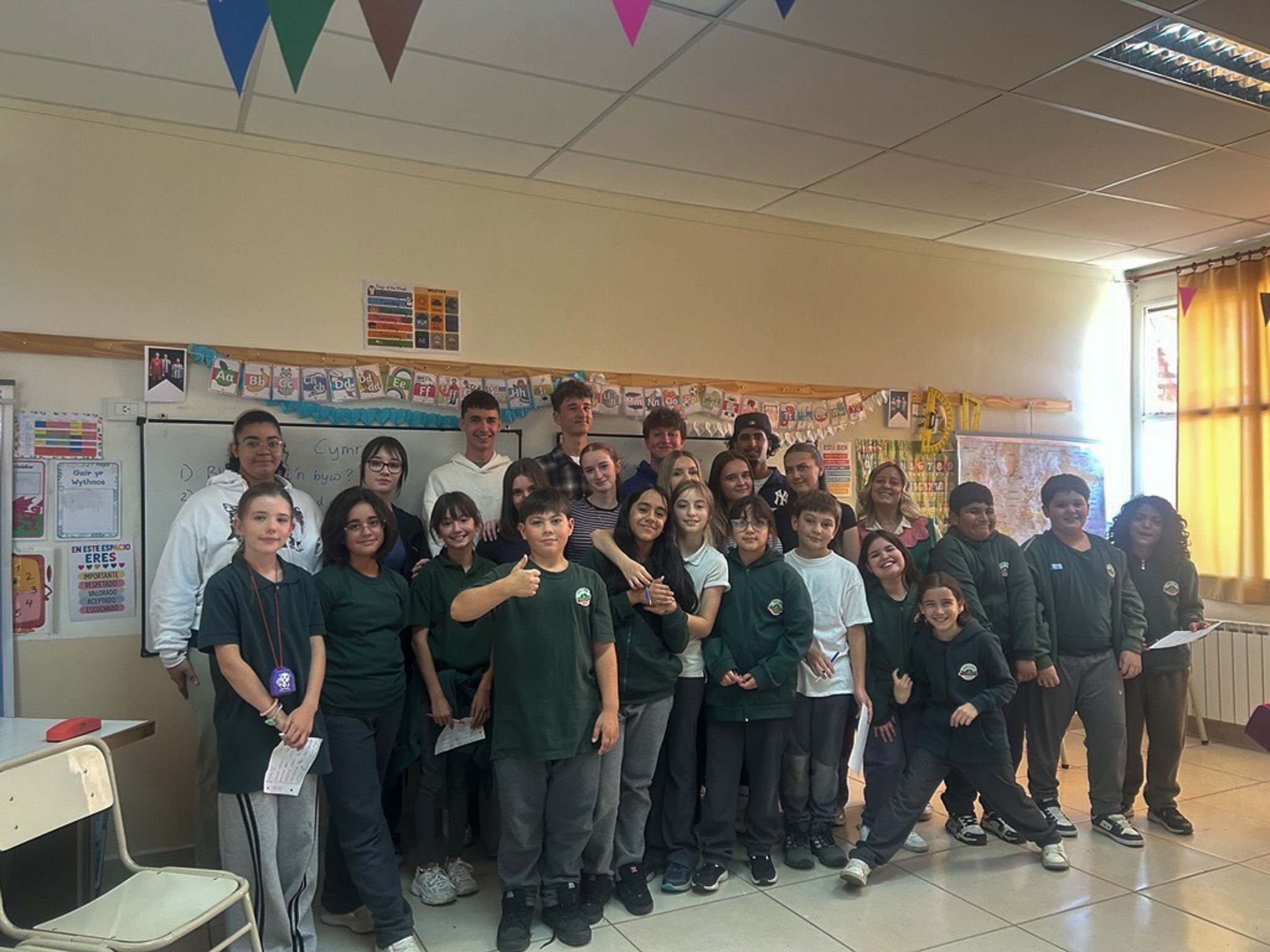
Here, learners had the opportunity to visit Coleg Camwy, y Gaiman and Ysgol gynradd y Gaiman.
The group attended Welsh lessons at both institutions, gaining a glimpse of how the Welsh language continues to be used on the other side of the world.
There was also time to explore the Trelew area.
This included viewing items brought over by the settlers at a local museum and visiting the city’s famous dinosaur museum, thanks to a word from the Mayor.
Following an overnight bus journey across the prairie, our learners arrived at their next destination: Esquel.
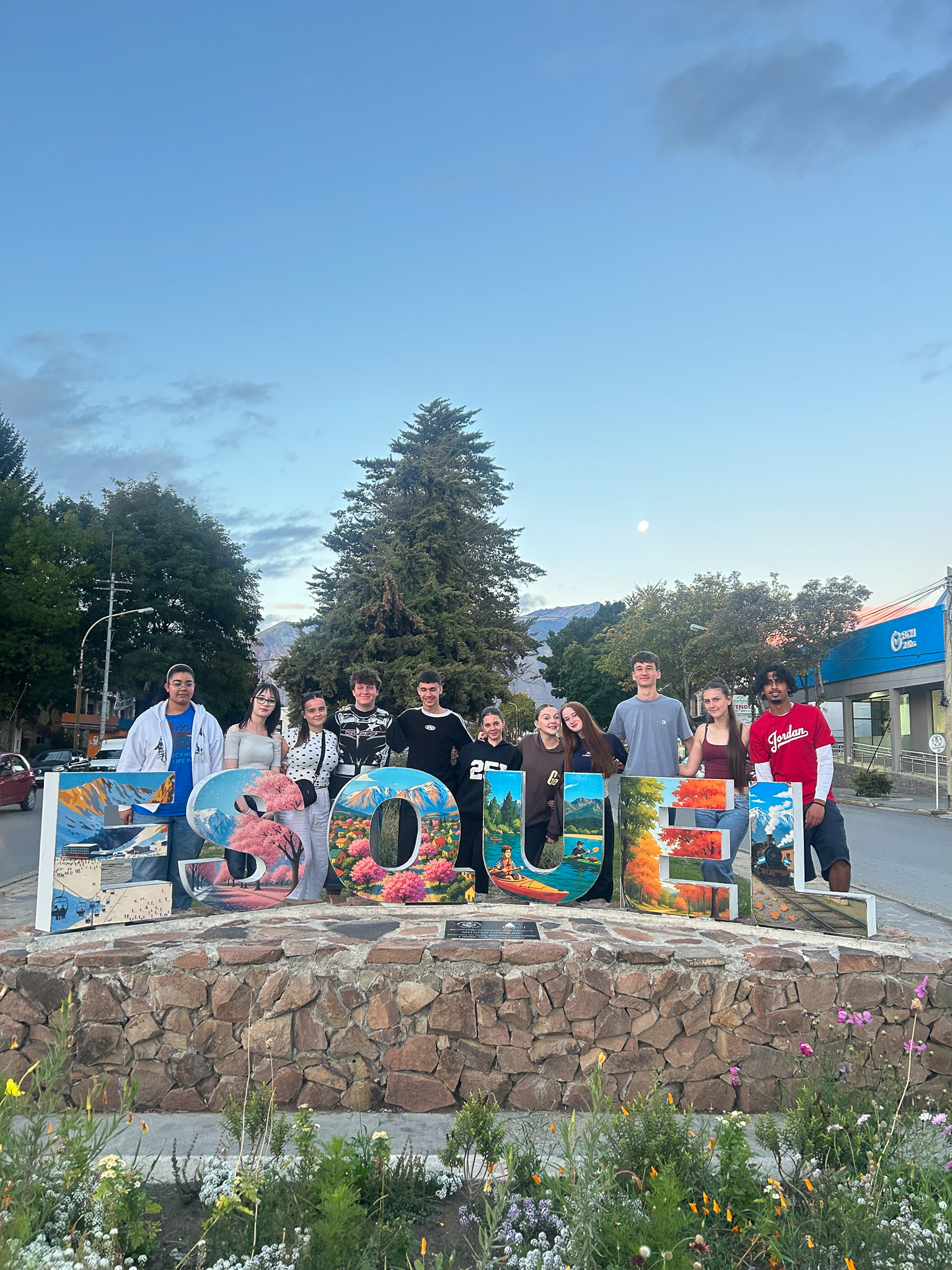
Here, they visited Laguna La Zeta, a breath-taking nature reserve, as well as the Welsh societies in Esquel and Ysgol y Cwm in Trevelin.
Finally, to round off the trip, the group travelled to the capital city of Argentina, Buenos Aires.
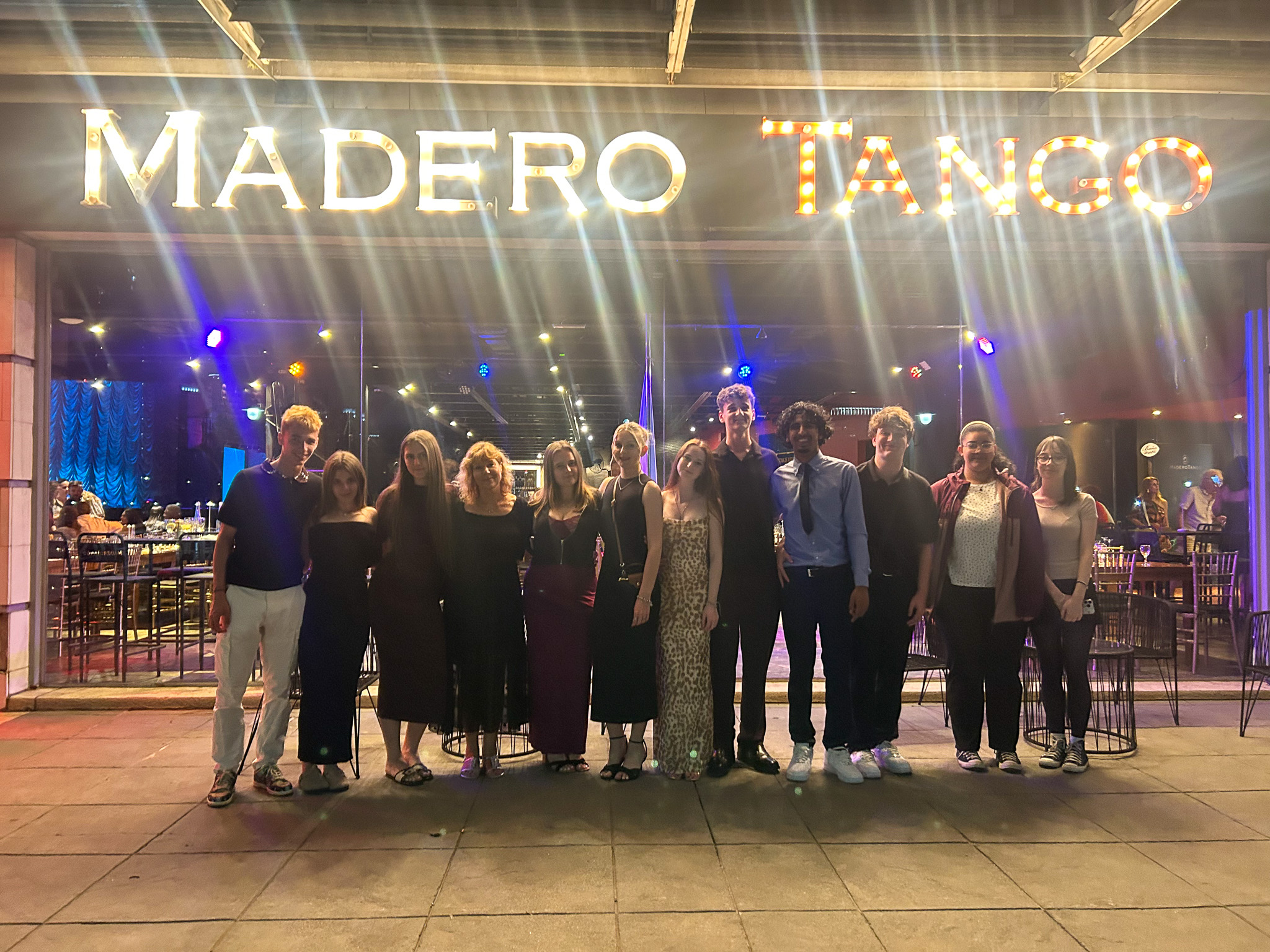
Highlights of this visit included a trip to Boca Juniors’ La Boca and experiencing a traditional Tango show.
Throughout the trip, students met others learning Welsh thousands of miles from Wales, gaining a unique insight into the country’s cultural heritage abroad.
It was an inspiring experience for all involved, leaving students with a deeper appreciation of the Welsh language and the Welsh community in Patagonia.